
The Evolution of Modern Exterior house Design: A Symphony of Form and Function
Modern exterior house design has transcended mere aesthetics, evolving into a sophisticated interplay of form, function, and sustainability. It reflects a contemporary lifestyle, emphasizing clean lines, open spaces, and a seamless connection with the surrounding environment. This comprehensive exploration delves into the key principles, materials, and trends shaping the modern home‘s exterior, offering insights into creating a dwelling that is both visually stunning and functionally efficient.
Modern architecture, at its core, rejects ornamentation in favor of simplicity and clarity. This translates into several defining principles:
1. Clean Lines and Geometric Forms
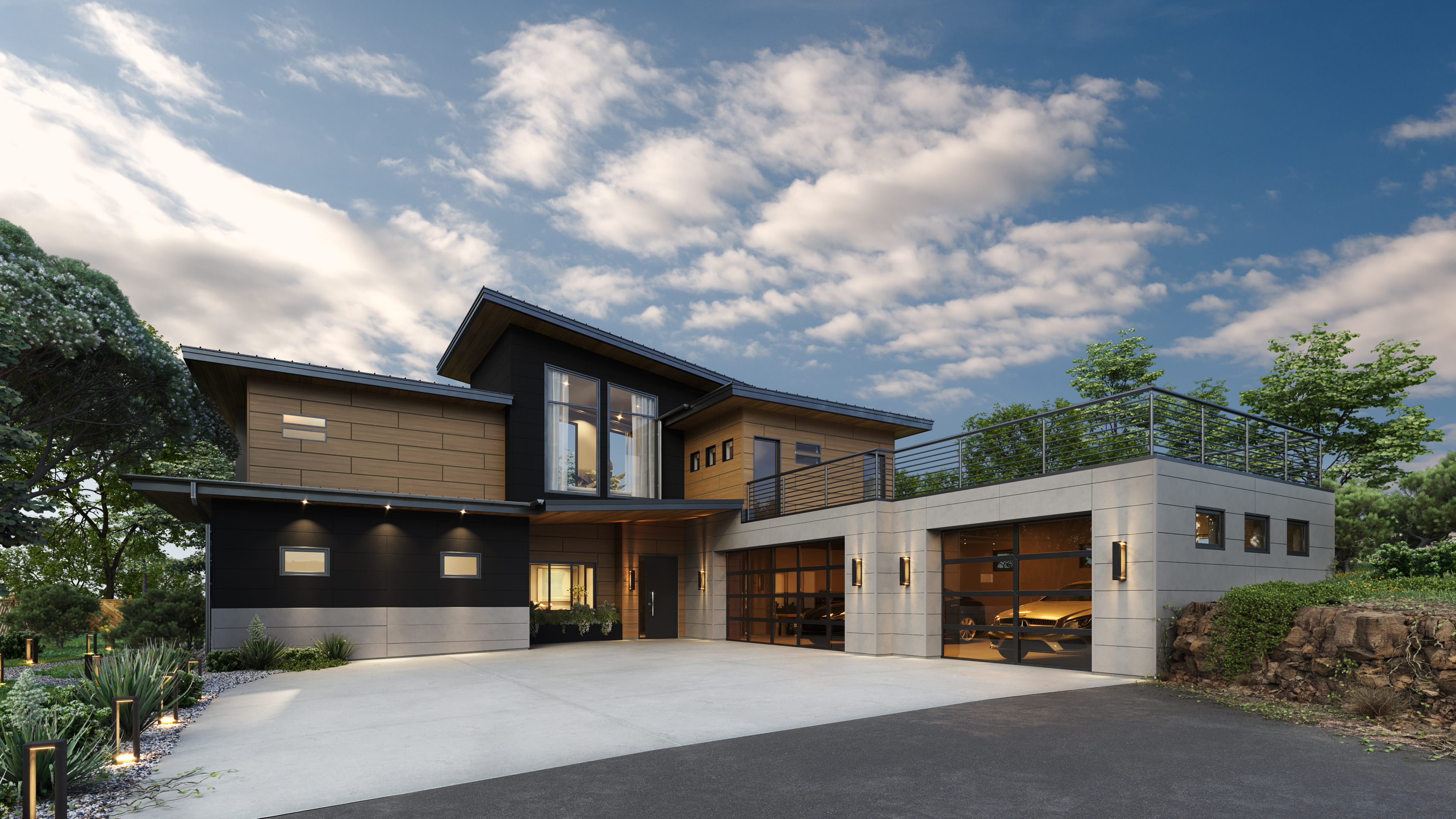
Modern exteriors are characterized by sharp, clean lines, geometric shapes, and a minimalist aesthetic. This eschews ornate details and embraces a streamlined, uncluttered look. Rectangular forms, flat roofs, and expansive glass panels are common features.
2. Open Floor Plans and Seamless Transitions
The emphasis on open floor plans extends to the exterior, with large windows and sliding doors blurring the lines between indoor and outdoor living. This creates a sense of spaciousness and fosters a connection with nature.
3. Functionality and Efficiency
Modern design prioritizes functionality. Materials and features are chosen for their practical benefits, such as energy efficiency, durability, and low maintenance. This results in homes that are both aesthetically pleasing and highly functional.
4. Integration with the Environment
Modern architecture often seeks to harmonize with its surroundings. This can involve using natural materials, incorporating sustainable design elements, and maximizing natural light and ventilation.
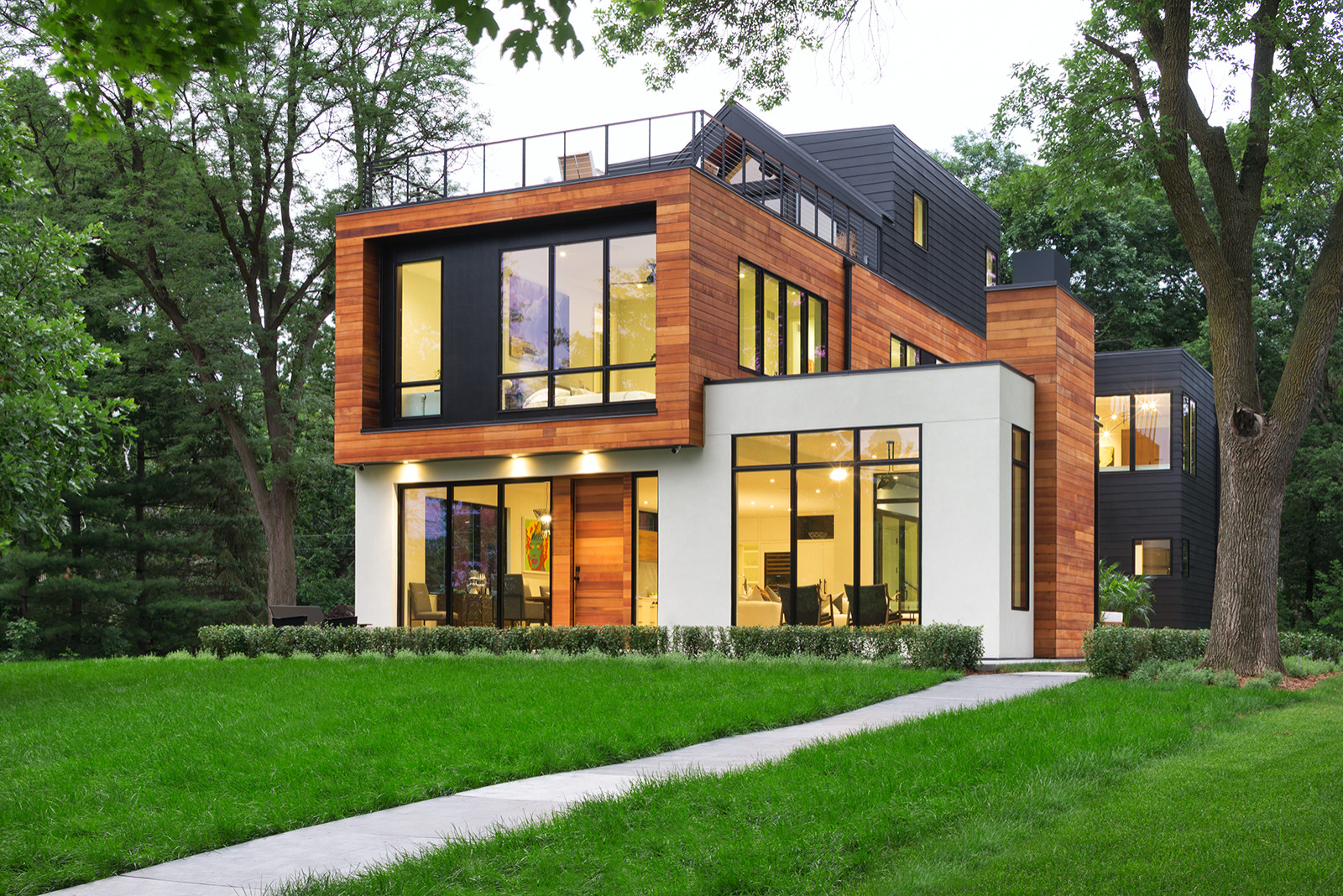
The choice of materials plays a crucial role in defining the character of a modern exterior.
1. Concrete and Steel: Strength and Durability
Concrete and steel are often used for their structural integrity and minimalist aesthetic. Exposed concrete walls, steel beams, and metal cladding create a sense of strength and permanence.
2. Glass: Transparency and Light
Large expanses of glass are a hallmark of modern design, allowing natural light to flood the interior and creating panoramic views of the surroundings. Curtain walls, floor-to-ceiling windows, and skylights are common features.
3. Wood: Warmth and Natural Beauty
Wood adds warmth and texture to modern exteriors. Cedar, redwood, and other durable woods are often used for siding, decking, and accents. The natural grain and texture of wood create a sense of organic beauty.
4. Stone: Timeless Elegance
Stone cladding or accents add a touch of timeless elegance to modern homes. Natural stone, such as limestone, granite, and slate, provides a durable and visually appealing surface.
5. Metal Cladding: Sleek and Contemporary
Metal cladding, such as aluminum, steel, or zinc, offers a sleek and contemporary look. It is durable, low-maintenance, and available in a variety of finishes and colors.
Several architectural elements contribute to the distinctive look of modern exteriors.
1. Flat Roofs: A Signature Feature
Flat roofs are a defining characteristic of modern architecture. They create a clean, horizontal profile and offer opportunities for rooftop gardens or terraces.
2. Cantilevers: Dramatic Projections
Cantilevers, or projecting structures, add a sense of drama and visual interest. They can provide shade, create covered outdoor spaces, or simply add architectural flair.
3. Overhangs and Sunshades: Passive Solar Design
Overhangs and sunshades are used to control sunlight and reduce heat gain, contributing to energy efficiency. They also add architectural detail and create shaded outdoor spaces.
4. Integrated Garages and Carports: Seamless Integration
Integrated garages and carports are designed to blend seamlessly with the overall architecture, creating a cohesive and streamlined look.
5. Minimalist Landscaping: Complementing the Architecture
Modern landscaping complements the clean lines and minimalist aesthetic of the home. It often features simple geometric forms, low-maintenance plants, and natural materials.
Modern exterior design increasingly emphasizes sustainability and energy efficiency.
1. Passive Solar Design: Maximizing Natural Resources
Passive solar design principles, such as orientation, shading, and thermal mass, are used to maximize natural heating and cooling.
2. Green Roofs and Walls: Urban Greening
Green roofs and walls provide insulation, reduce stormwater runoff, and create habitats for wildlife. They also add a touch of greenery to urban environments.
3. Solar Panels: Renewable Energy
Solar panels are integrated into the roof or facade to generate renewable energy, reducing reliance on fossil fuels.
4. Rainwater Harvesting: Water Conservation
Rainwater harvesting systems collect and store rainwater for irrigation or other non-potable uses, conserving water resources.
5. Sustainable Materials: Eco-Friendly Choices
Sustainable materials, such as recycled steel, reclaimed wood, and low-VOC paints, are used to minimize environmental impact.
Modern exterior design is constantly evolving, with new trends emerging to reflect changing lifestyles and preferences.
1. Biophilic Design: Connecting with Nature
Biophilic design principles, which emphasize the connection between humans and nature, are increasingly incorporated into modern exteriors. This can involve using natural materials, incorporating green spaces, and maximizing natural light and ventilation.
2. Dark Exteriors: Dramatic and Sophisticated
Dark exteriors, such as black or charcoal gray, are gaining popularity for their dramatic and sophisticated look. They create a sense of depth and contrast, highlighting the architectural form.
3. Mixed Materials: Adding Visual Interest
Combining different materials, such as wood, metal, and stone, adds visual interest and texture to modern exteriors. This creates a dynamic and engaging facade.
4. Textured Surfaces: Adding Depth and Dimension
Textured surfaces, such as ribbed metal cladding or patterned concrete, add depth and dimension to modern exteriors. This creates a tactile and visually appealing facade.
5. Modular Design: Flexibility and Efficiency
Modular design, which involves prefabricating building components off-site, offers flexibility, efficiency, and sustainability. It allows for faster construction times and reduced waste.
Modern exterior house design is a dynamic and evolving field, reflecting contemporary lifestyles and values. By embracing the principles of simplicity, functionality, and sustainability, homeowners can create dwellings that are both visually stunning and environmentally responsible. The thoughtful selection of materials, architectural elements, and landscaping can transform a house into a modern masterpiece, a sanctuary that seamlessly integrates with its surroundings and enhances the quality of life. As technology and design continue to advance, the future of modern exterior design promises even greater innovation and creativity, creating homes that are not only beautiful but also intelligent and sustainable.