The Evolving Canvas: Decoding the Modern house Floor Plan
The modern house, a testament to contemporary living, transcends mere shelter. It’s a carefully orchestrated symphony of space, light, and functionality, all meticulously planned within the framework of a well-designed floor plan. Gone are the rigid, compartmentalized layouts of yesteryear, replaced by open, flowing spaces that prioritize flexibility and connection. This exploration delves into the core principles and defining features of the modern house floor plan, examining how it adapts to the dynamic needs of today’s lifestyles.
The Philosophy of Openness: Breaking Down Barriers
The cornerstone of modern floor plans is the concept of open-plan living. This approach dismantles traditional walls, seamlessly merging living, dining, and kitchen areas into a unified, expansive space. This fosters a sense of togetherness, promoting interaction and visual connectivity within the home.
The Advantages of Open-Plan Living:
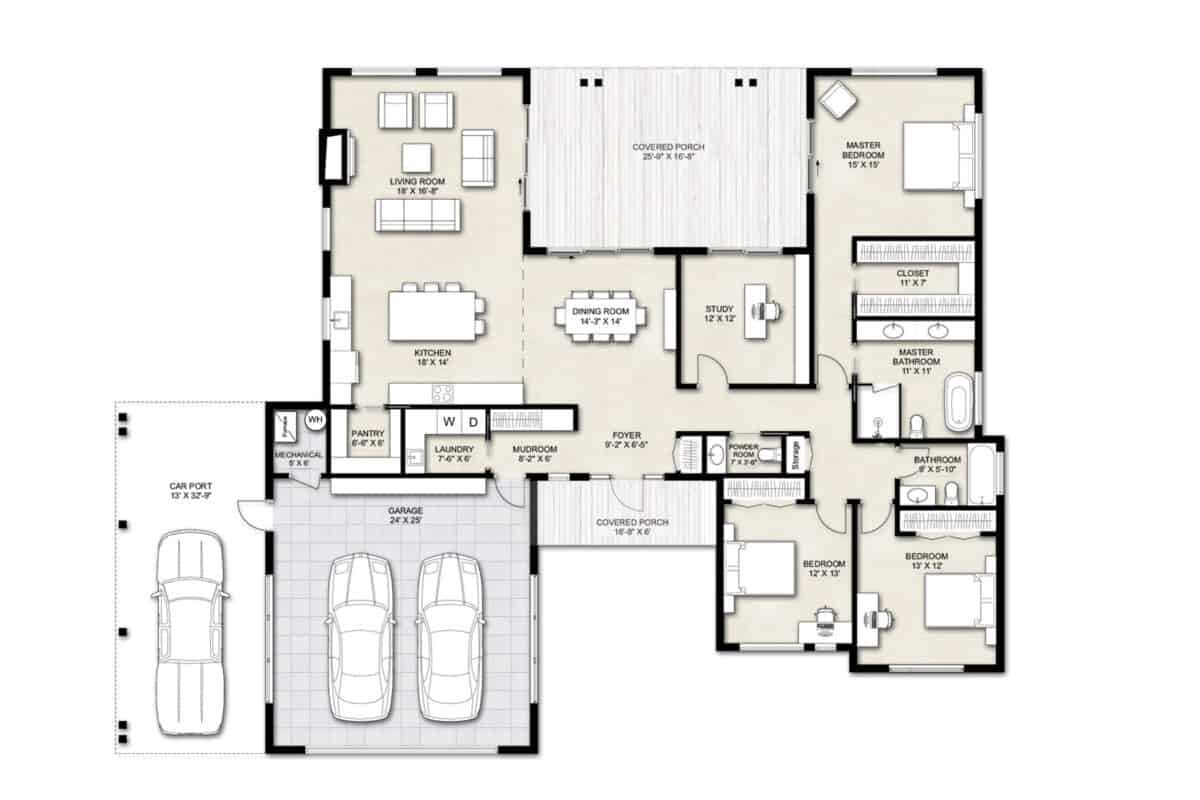
Modern House Plans – Truoba Architects
Enhanced Social Interaction: Open layouts encourage family interaction and social gatherings. The absence of physical barriers allows for effortless communication and a shared experience, even while engaging in different activities.
Abundance of Natural Light: Fewer walls mean more opportunities for natural light to penetrate deep into the home. This creates a brighter, more inviting atmosphere, reducing reliance on artificial lighting and promoting a sense of well-being.
Flexibility and Adaptability: Open spaces offer greater flexibility in furniture arrangement and overall use. They can easily adapt to changing needs, accommodating large gatherings or providing ample space for individual activities.
Sense of Spaciousness: Even in smaller homes, open-plan layouts create a feeling of expansiveness and airiness. The visual continuity of the space eliminates the feeling of confinement often associated with traditional layouts.
Zoning and Flow: Defining Spaces Within Openness
While open-plan living emphasizes the removal of walls, it doesn’t imply a chaotic, undefined space. Modern floor plans employ subtle zoning techniques to delineate distinct functional areas within the larger open space.
Methods of Zoning in Modern Floor Plans:
Changes in Flooring: Different flooring materials or patterns can visually separate areas. For example, hardwood flooring might define the living area, while tile or concrete designates the kitchen.
Subtle Level Changes: A slight change in floor level, a step or a raised platform, can create a visual distinction between zones without obstructing the overall flow.
Strategic Furniture Placement: Furniture arrangements can subtly define boundaries. A large area rug can anchor the living area, while a kitchen island serves as a natural divider between the cooking and dining spaces.
Partial Walls or Screens: In some cases, partial walls or decorative screens can provide a degree of separation while maintaining a sense of openness.
Ceiling Variations: Lowered ceiling sections can define a dining area, while leaving the main living area with a higher ceiling, adding a sense of volume.
Best Modern Floor Plans ideas floor plans, house floor plans
The Importance of Seamless Indoor-Outdoor Connection
Modern house design prioritizes a strong connection with the outdoors. Large windows, sliding glass doors, and expansive patios or decks blur the lines between indoor and outdoor living.
Elements of Indoor-Outdoor Connection:
Large Windows and Sliding Doors: Expansive glazing allows for panoramic views and abundant natural light, creating a seamless transition between interior and exterior spaces.
Outdoor Living Spaces: Patios, decks, and balconies extend the living space outdoors, providing areas for relaxation, dining, and entertainment.
Pocket Doors and Folding Walls: These innovative features allow for complete opening of walls, creating a truly integrated indoor-outdoor experience.
Consistent Flooring Materials: Using similar flooring materials for both indoor and outdoor spaces can further enhance the sense of continuity.
Landscaping Integration: Thoughtfully designed landscaping, visible from inside the home, enhances the connection with nature.
The Functional Heart: The Modern Kitchen
The kitchen, once relegated to a separate, utilitarian space, has evolved into the heart of the modern home. It’s a multifunctional hub for cooking, dining, socializing, and even working.
Key Features of the Modern Kitchen:
Open Layout: The kitchen is typically integrated into the open-plan living area, fostering interaction and creating a social cooking experience.
Island or Peninsula: A kitchen island or peninsula serves as a central gathering point, providing additional workspace, seating, and storage.
High-End Appliances: Modern kitchens often feature state-of-the-art appliances, designed for both functionality and aesthetics.
Ample Storage: Well-organized storage solutions, including drawers, pull-out shelves, and pantry cabinets, maximize efficiency and minimize clutter.
Natural Light: Large windows and skylights ensure a bright and inviting kitchen space.
The Sanctuary of Privacy: Bedrooms and Bathrooms
While open-plan living dominates the main living areas, bedrooms and bathrooms remain private sanctuaries. Modern floor plans prioritize comfort, functionality, and a sense of tranquility in these spaces.
Characteristics of Modern Bedrooms and Bathrooms:
Master Suite: The master suite, a private retreat, often includes a spacious bedroom, a walk-in closet, and a luxurious en-suite bathroom.
En-Suite Bathrooms: En-suite bathrooms, connected directly to the bedrooms, provide privacy and convenience.
Walk-in Closets: Walk-in closets offer ample storage space and organization for clothing and accessories.
Natural Light and Ventilation: Large windows and adequate ventilation ensure a comfortable and healthy environment.
Minimalist Design: Clean lines, simple forms, and a neutral color palette create a sense of calm and serenity.
Spa-like Bathrooms: Modern bathrooms often incorporate spa-like features, such as walk-in showers, soaking tubs, and heated floors.
The Importance of Flexible Spaces: Multipurpose Rooms
Modern lifestyles are dynamic and multifaceted. Modern floor plans reflect this by incorporating flexible spaces that can adapt to various needs.
Examples of Multipurpose Spaces:
Home Office/Guest Room: A room that can function as both a home office and a guest room, with a pull-out sofa bed and a built-in desk.
Media Room/Playroom: A versatile space that can be used for movie nights, gaming, or as a playroom for children.
Flex Space/Hobby Room: A dedicated space for hobbies, workouts, or other activities, with flexible furniture and storage solutions.
Loft Spaces: In homes with high ceilings, loft spaces can provide additional living area, such as a reading nook or a home office.
Sustainability and Energy Efficiency: A Modern Imperative
Modern house design is increasingly focused on sustainability and energy efficiency. Floor plans play a crucial role in maximizing natural light, ventilation, and passive solar heating.
Sustainable Design Considerations:
Orientation and Solar Gain: Optimizing the orientation of the house to maximize solar gain in winter and minimize it in summer.
Natural Ventilation: Designing floor plans that promote cross-ventilation, reducing reliance on air conditioning.
Energy-Efficient Windows and Insulation: Using high-performance windows and insulation to minimize heat loss and gain.
Sustainable Materials: Incorporating sustainable building materials, such as recycled wood, bamboo, and low-VOC paints.
Rainwater Harvesting and Solar Panels: Integrating rainwater harvesting systems and solar panels to reduce water and energy consumption.
The Future of Modern Floor Plans: Adaptability and Innovation
The modern house floor plan is a constantly evolving concept, driven by changing lifestyles, technological advancements, and a growing emphasis on sustainability. Future trends may include:
Smart Home Integration: Seamless integration of smart home technology to control lighting, temperature, security, and other systems.
Modular and Prefabricated Construction: Increased use of modular and prefabricated construction methods to reduce construction time and waste.
Biophilic Design: Incorporating natural elements, such as indoor plants and green walls, to enhance well-being and connection with nature.
Aging-in-Place Design: Designing homes that are adaptable to the needs of aging residents, with features such as wider doorways, grab bars, and accessible bathrooms.
Increased focus on smaller living spaces. As urban populations increase, and the cost of housing rises, well designed smaller footprint homes will continue to increase in popularity.
The modern house floor plan is a reflection of contemporary values and lifestyles. It’s a dynamic and adaptable framework that prioritizes openness, functionality, sustainability, and a strong connection with the outdoors. As technology and lifestyles continue to evolve, the modern floor plan will continue to adapt, creating homes that are both beautiful and functional for generations to come.