
The Enduring Allure: Exploring Mid-Century Modern house Plans
The mid-century modern (MCM) movement, born in the post-World War II era, continues to captivate homeowners and design enthusiasts alike. Its emphasis on clean lines, open spaces, and a harmonious connection with nature resonates deeply in our contemporary world. More than just a fleeting trend, MCM architecture represents a philosophy of living, a fusion of practicality and aesthetic beauty. This article delves into the core principles of mid-century modern house plans, exploring their evolution, key features, and enduring appeal.
The mid-20th century was a period of immense social and technological change. Returning soldiers, a booming economy, and a burgeoning middle class created a demand for affordable, functional, and aesthetically pleasing housing. The MCM movement emerged as a response to this need, embracing new materials and construction techniques while prioritizing comfort and livability.

The Influence of European Modernism: Architects like Mies van der Rohe, Walter Gropius, and Le Corbusier, who fled Europe during the war, brought with them the principles of the Bauhaus movement, emphasizing simplicity, functionality, and the integration of art and technology.
MCM house plans are characterized by a set of distinctive features that contribute to their timeless appeal:
Open Floor Plans and Flexible Spaces
The rejection of traditional, compartmentalized layouts was a hallmark of MCM design. Open floor plans created a sense of spaciousness and fostered a more social and interactive living environment.
Emphasis on Natural Light and Connection to Nature

Large expanses of glass, including floor-to-ceiling windows and sliding glass doors, were used to maximize natural light and blur the boundaries between indoors and outdoors.
Clean Lines and Simple Forms
MCM architecture favored clean lines, geometric shapes, and a minimalist aesthetic.
Integration of Technology and Innovation
MCM homes embraced new technologies and materials, incorporating features such as radiant heating, built-in appliances, and prefabricated components.
Horizontal Emphasis and Low-Slung Profiles
MCM houses often featured a strong horizontal emphasis, creating a sense of groundedness and stability.
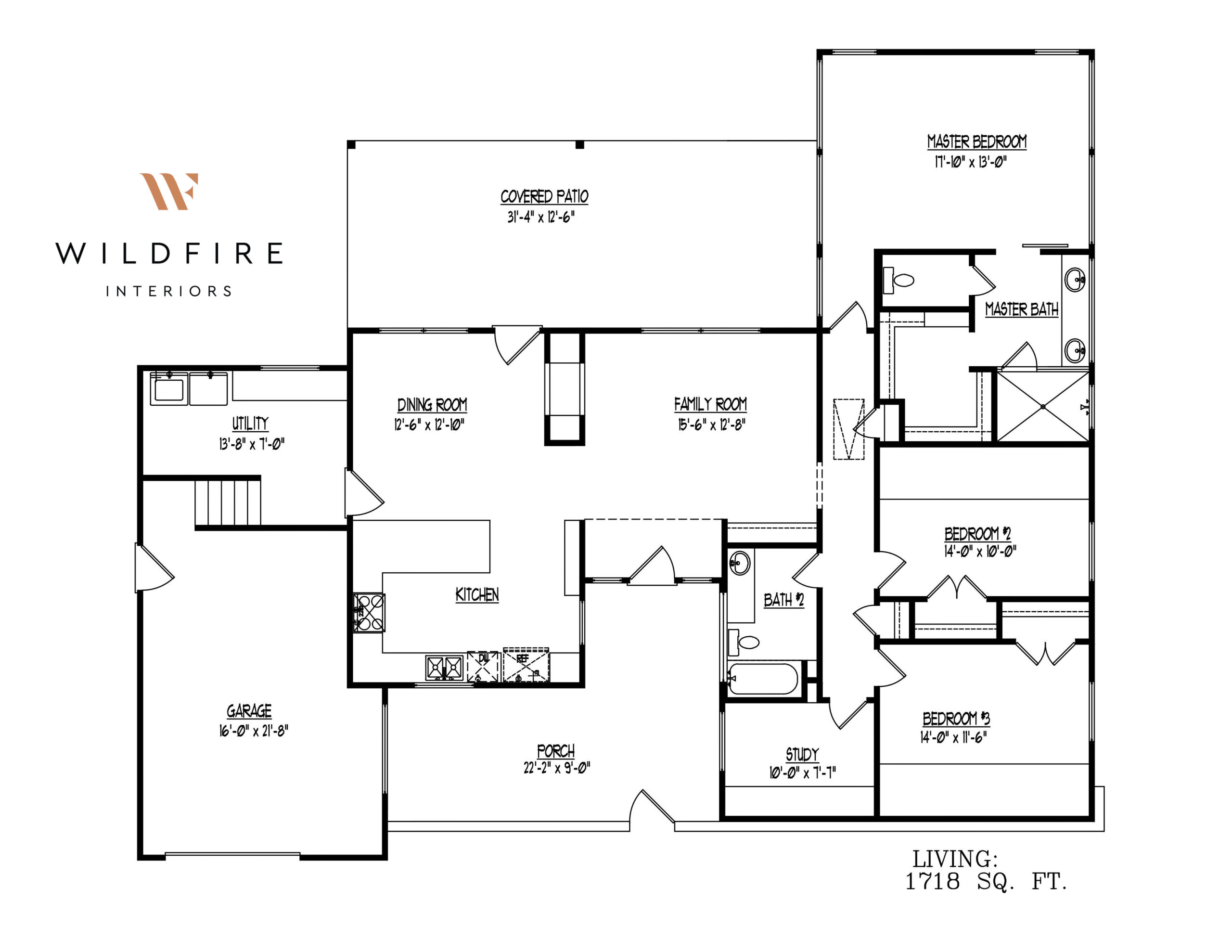
While the core principles of MCM design remained consistent, regional variations and individual architect’s styles contributed to a diverse range of house plans:
California Ranch Homes
These single-story homes, characterized by their sprawling layouts and integrated garages, epitomized the California lifestyle.
Mid-Century Modern Split-Level Homes
These homes addressed sloped lots, and provided a sense of separation between living and sleeping areas.
Mid-Century Modern Atomic Ranch Homes
These homes often featured futuristic elements, such as boomerang-shaped roofs and starburst motifs.
Mid-Century Modern Desert Homes
Homes built in desert regions used materials and designs that fit the climate.
The enduring popularity of MCM house plans can be attributed to several factors:
Timeless Design
Connection to Nature
Open and Flexible Spaces
Nostalgia and Historical Significance
For some, MCM architecture evokes a sense of nostalgia for a simpler time, a period of optimism and innovation.
Sustainability and Adaptability
Many of the core principles of MCM design, such as passive solar heating and natural ventilation, align with contemporary sustainability goals.
Today, MCM house plans are experiencing a resurgence in popularity, with homeowners and architects alike embracing the style’s timeless appeal. Renovations and additions are often designed to preserve the original character of the home while incorporating modern amenities and technologies.
Preservation Efforts: Historical preservation societies and organizations are working to protect and restore significant MCM homes, ensuring their legacy for future generations.
Mid-century modern house plans represent more than just a style; they embody a philosophy of living that prioritizes simplicity, functionality, and a connection to nature. Their enduring appeal lies in their timeless design, their adaptability to modern lifestyles, and their historical significance. As we continue to seek homes that reflect our values and aspirations, the principles of MCM architecture will undoubtedly continue to inspire and influence generations to come. The open floor plans, large glass windows, and clean lines provide a sense of peace and functionality that many modern homeowners seek.