
Hey there! So, you’re looking to dive into the world of houseplants but feeling a tad overwhelmed? Don’t sweat it! Bringing a bit of green indoors doesn’t have to be complicated. There are tons of easy-going plants out there that are super forgiving, perfect for folks just starting out. Let’s chat about some cool options that’ll thrive even if you’re a self-proclaimed plant newbie.
Snake Plant (Sansevieria trifasciata)
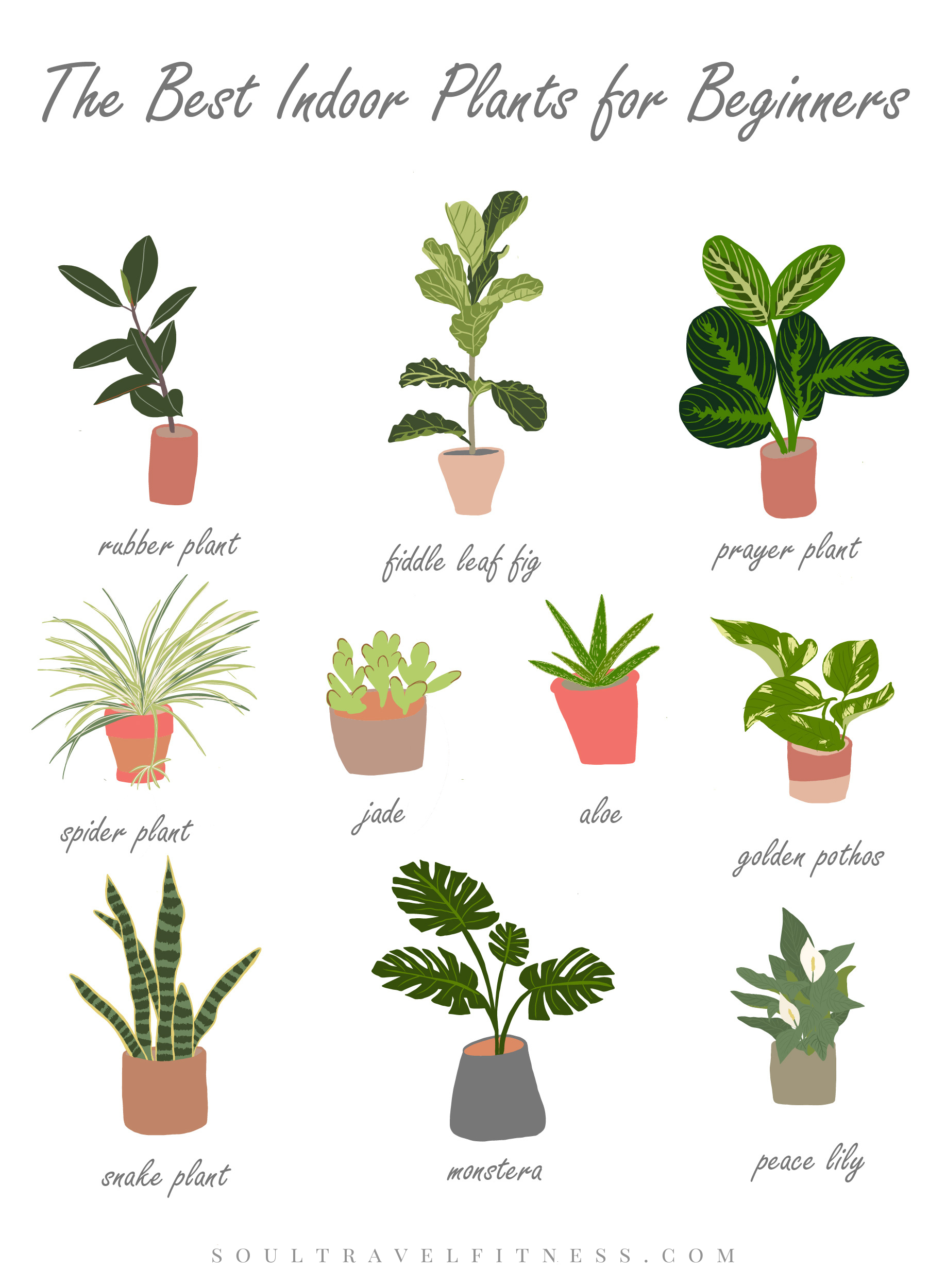
Seriously, the snake plant is like the superhero of low-maintenance houseplants. These guys are tough cookies and can handle a fair bit of neglect. Forget to water for a week or two? No biggie for a snake plant. They’re also not super picky about light, tolerating everything from low to bright indirect sunshine. Plus, they look pretty sleek with their upright, sword-like leaves. They’re also known for their air-purifying qualities, which is a nice bonus!
ZZ Plant (Zamioculcas zamiifolia)
The ZZ plant is another fantastic choice for beginners. It’s incredibly drought-tolerant thanks to its rhizomes that store water. Like the snake plant, it can handle low light conditions like a champ, though it’ll definitely appreciate some indirect light if you’ve got it. Its waxy, dark green leaves are super attractive and give off a polished look. Honestly, you almost have to try to kill a ZZ plant!
Pothos (Epipremnum aureum)
Pothos, sometimes called devil’s ivy, is a classic for a reason. It’s super adaptable and grows relatively quickly, so you’ll see some satisfying progress. You can keep it in a pot or even train it to climb. Pothos comes in various leaf colors and patterns, from vibrant green to variegated with yellow or white. It’s pretty forgiving with watering – letting the top inch or two of soil dry out between waterings is usually a good rule of thumb. Plus, it’s easy to propagate if you ever want to make more plants!
Spider Plant (Chlorophytum comosum)
Spider plants are just plain fun! They have these cool, arching leaves that sometimes feature stripes, and they send out little “spiderettes” (baby plants) on long stems, which look like little spiders hanging down. They’re pretty easy to care for, preferring bright, indirect light but tolerating lower light. Just keep the soil somewhat moist. Those spiderettes are also super easy to propagate, so you can easily expand your green collection or share them with friends.
Peace Lily (Spathiphyllum)
Okay, peace lilies might be just a tad more dramatic than the others on this list – they’ll definitely let you know when they’re thirsty by dramatically drooping their leaves. But don’t let that scare you! They bounce right back after a good drink. They have beautiful, elegant white flowers (though they might not flower consistently in lower light) and lovely dark green leaves. They prefer medium to low light and consistently moist soil. Plus, they’re another great air purifier.
Cast Iron Plant (Aspidistra elatior)
The name says it all, right? The cast iron plant is known for being incredibly tough and tolerant of neglect. Low light, infrequent watering, temperature fluctuations – this plant can handle it. It has long, dark green leaves that give off a classic, understated vibe. If you’re truly worried about killing a plant, the cast iron plant is a fantastic security blanket.
Succulents and Cacti
While the world of succulents and cacti is vast and varied, some are particularly beginner-friendly. Think about plants like:
Echeverias: These rosette-shaped succulents come in tons of colors and textures and generally just need bright light and infrequent watering (let the soil dry out completely between waterings).
The key with most succulents and cacti is to avoid overwatering, which is a common mistake for beginners. They like their soil to dry out thoroughly.
A Few Gentle Reminders
No matter which plant you choose, here are a few basic tips to keep in mind:
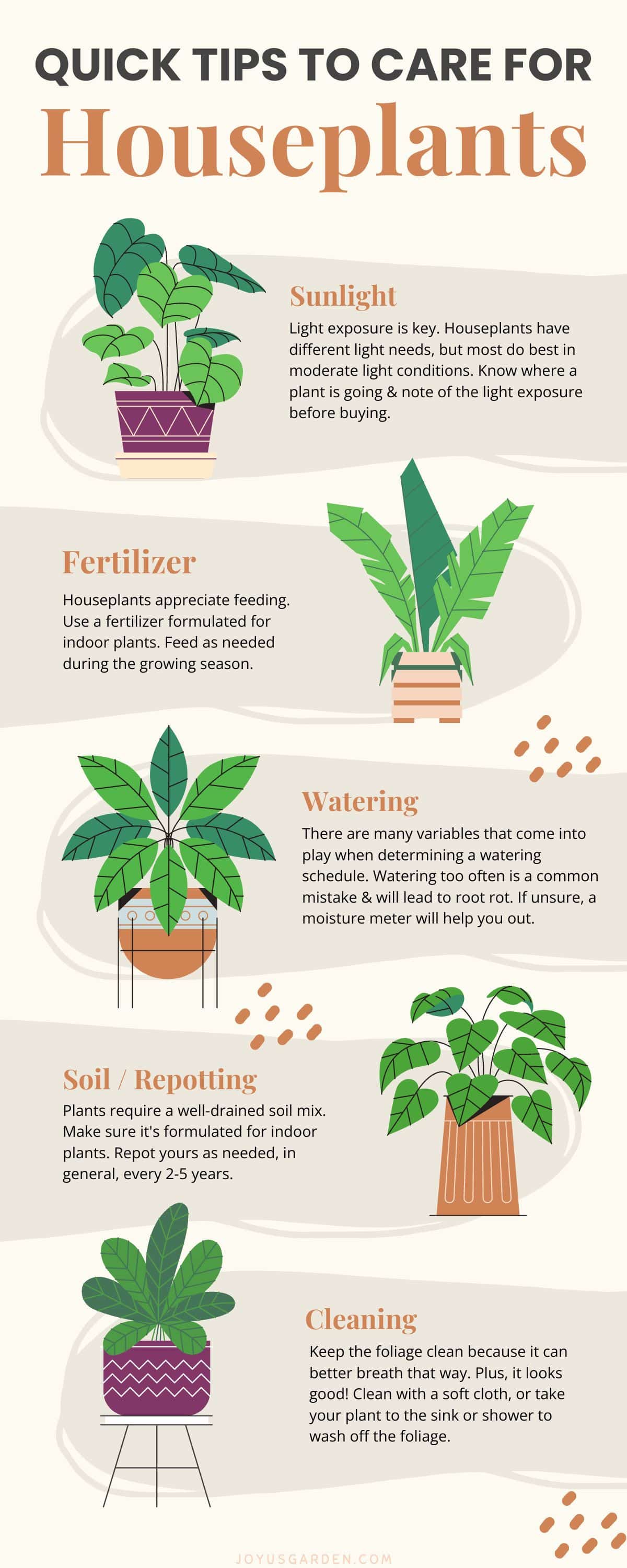
Don’t overwater: This is the number one killer of houseplants. It’s usually better to err on the side of underwatering than overwatering. Get to know your plant and its specific needs.
Conclusion
Bringing a houseplant into your home can add a touch of life and vibrancy, and it doesn’t have to be a daunting task. These beginner-friendly options are resilient, forgiving, and beautiful in their own right. Start with one or two that catch your eye, pay a little attention to their basic needs, and you’ll be surprised at how rewarding it can be to watch them thrive. Happy growing!
Frequently Asked Questions
How often should I water my new houseplant?
Watering frequency really depends on the type of plant, the size of the pot, the temperature and humidity of your home, and the amount of light it’s getting. A good rule of thumb for many of these beginner plants is to let the top inch or two of soil dry out before watering again. Stick your finger into the soil to check! For succulents and cacti, let the soil dry out completely.
What kind of soil should I use for houseplants?
It’s best to use a potting mix specifically formulated for houseplants. These mixes are usually lighter and provide better drainage than garden soil, which can become too compacted in a pot. For succulents and cacti, use a well-draining mix specifically designed for them.
Do I need to fertilize my houseplants?
During the active growing season (usually spring and summer), your houseplants will benefit from occasional fertilization. You can use a diluted liquid houseplant fertilizer every 2-4 weeks. In the fall and winter, when plant growth slows down, you can reduce or stop fertilizing.
My plant’s leaves are turning yellow. What’s wrong?
Yellowing leaves can be a sign of several issues, the most common being overwatering. However, it could also be due to underwatering, lack of nutrients, or even pests. Take a closer look at your watering habits, the soil moisture, and the overall condition of the plant to try and diagnose the problem.
Where is the best place to put my houseplant?
The ideal location depends on the specific light needs of your plant. Observe the light in different areas of your home throughout the day. “Bright indirect light” often means a spot near a window that doesn’t receive direct, harsh sunlight. “Low light” tolerant plants can handle spots further away from windows. Pay attention to how your plant is growing – if it’s stretching and leggy, it might not be getting enough light.