
The Evolving Canvas: Decoding Modern house Exterior Design
The modern house exterior is no longer a mere facade; it’s a statement, a reflection of the inhabitants’ lifestyle, and a carefully curated aesthetic experience. In an era of rapid technological advancement and evolving design philosophies, the exterior of a home has become a dynamic canvas, blending functionality with artistic expression. This 3000-word exploration delves into the intricacies of modern house exterior design, examining the key elements, trends, and considerations that shape contemporary residential architecture.
The Essence of Modern Simplicity
Modern design, at its core, embraces minimalism. This translates to clean, uninterrupted lines, geometric forms, and a deliberate avoidance of unnecessary ornamentation. The emphasis is on simplicity and functionality, creating a sense of spaciousness and tranquility.
Material Choices: Embracing Honesty and Texture
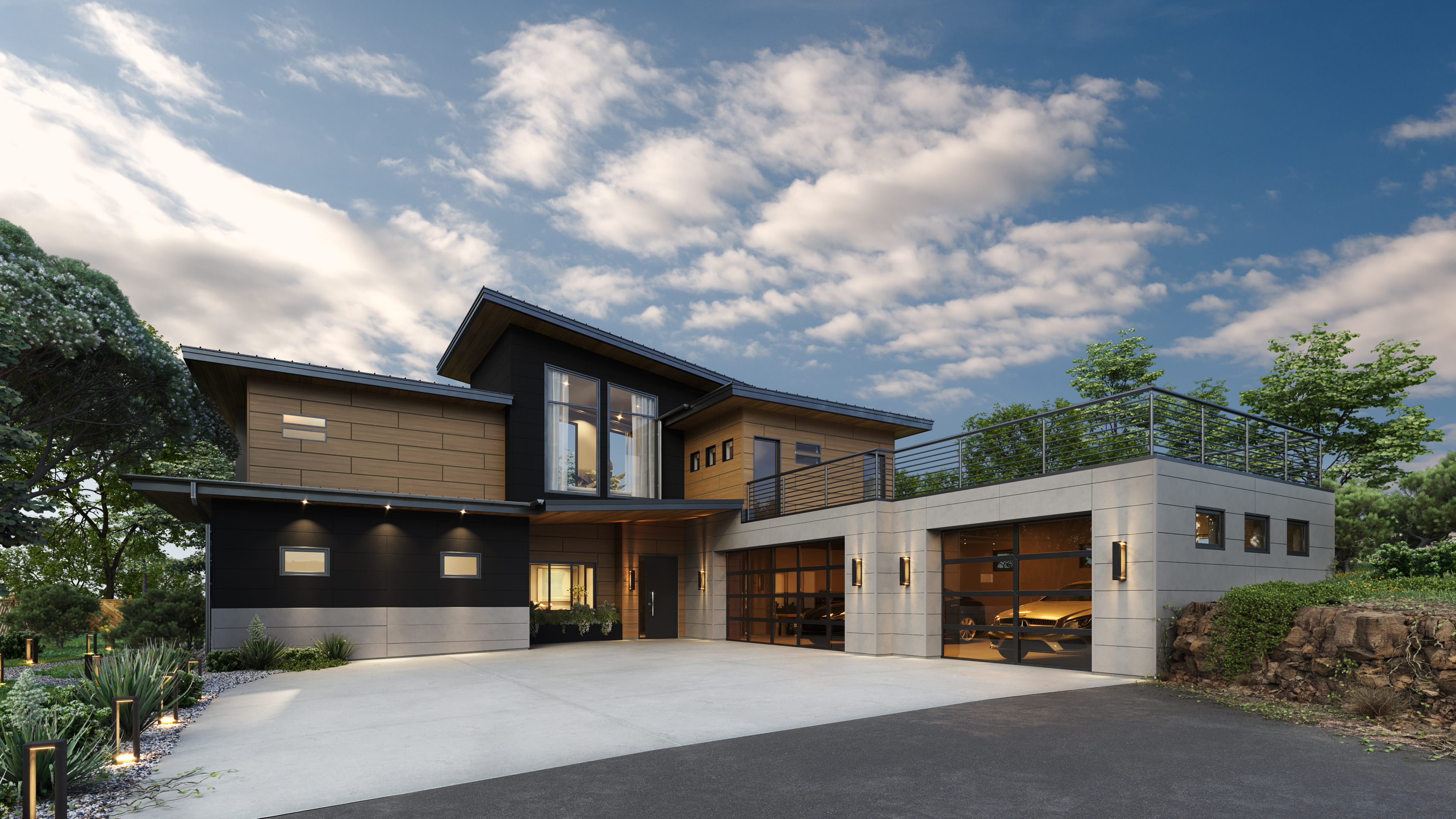
Modern exteriors often feature a curated palette of materials, prioritizing honesty and texture. Exposed concrete, steel, glass, and wood are frequently employed, showcasing their inherent qualities. These materials are often combined in unexpected ways, creating visual interest through contrast and juxtaposition.
The Importance of Vertical and Horizontal Emphasis
Modern architecture often emphasizes either vertical or horizontal lines, influencing the perceived scale and proportion of the house. Horizontal lines can create a sense of groundedness and expansiveness, while vertical lines can lend a feeling of height and drama.
Large Windows: Bringing the Outdoors In
Large, expansive windows are a hallmark of modern design, maximizing natural light and blurring the boundaries between interior and exterior spaces. Floor-to-ceiling windows, sliding glass doors, and skylights are commonly incorporated, creating a sense of openness and connection to the surrounding environment.
Strategic Shading: Balancing Light and Temperature
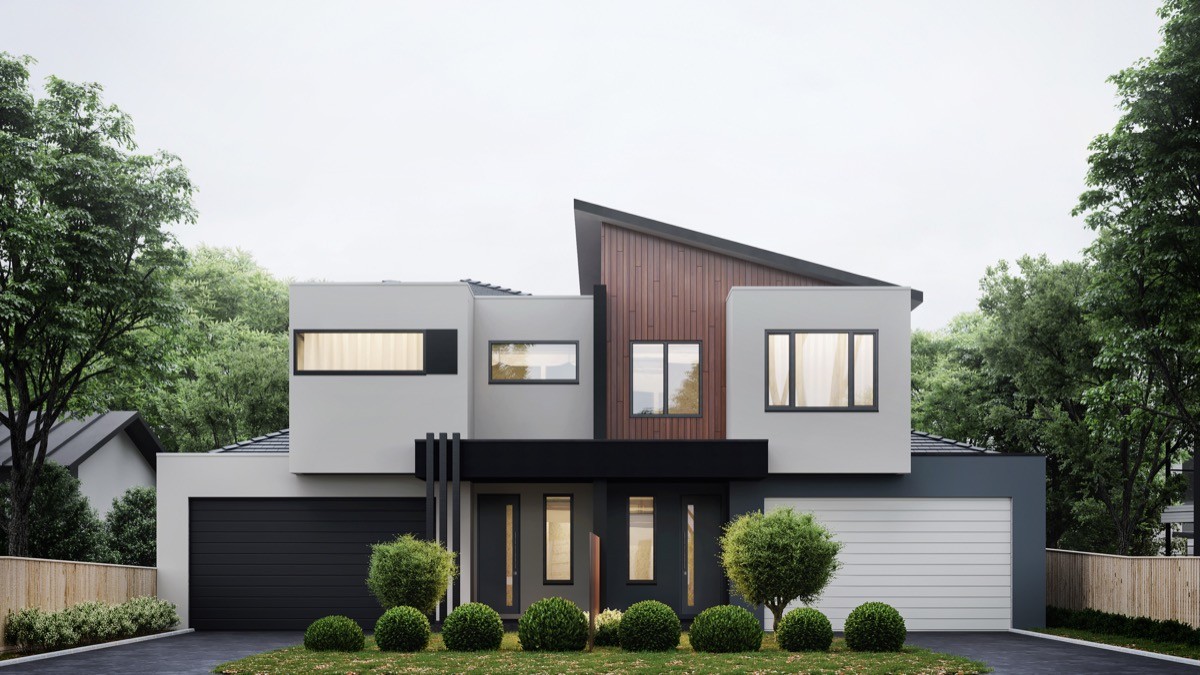
While large windows are desirable, they can also lead to excessive heat gain. Modern exteriors address this through strategic shading solutions, such as deep overhangs, louvers, and integrated sunshades. These elements not only control sunlight but also add architectural interest and depth to the facade.
The Art of Light Fixtures: Enhancing Architectural Features
Exterior lighting plays a crucial role in highlighting architectural features and creating a welcoming ambiance. Recessed lighting, linear LED strips, and strategically placed spotlights can accentuate the texture of materials, emphasize architectural forms, and create a dramatic nighttime presence.
Seamless Transitions: Blurring the Lines Between Inside and Out
Modern exteriors strive for a seamless transition between the built environment and the natural landscape. This is achieved through the use of large windows, sliding doors, and outdoor living spaces, such as patios, decks, and courtyards.
Sustainable Landscaping: Embracing Native Plants and Xeriscaping
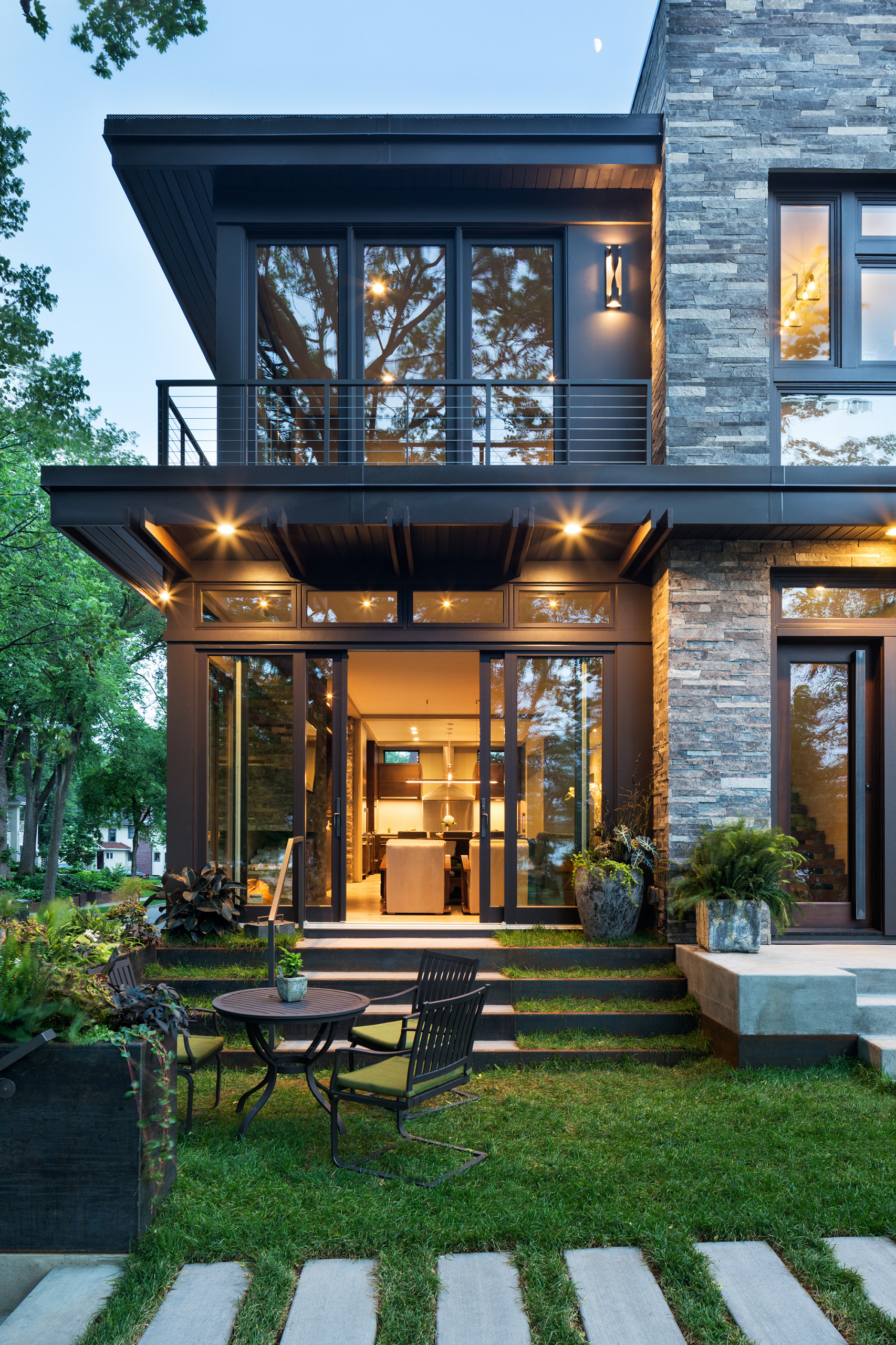
Modern landscaping practices prioritize sustainability, focusing on native plants, drought-tolerant species, and xeriscaping techniques. These approaches not only conserve water and reduce maintenance but also create a harmonious and ecologically responsible environment.
Outdoor Living Spaces: Extending the Interior Realm
Outdoor living spaces are an integral part of modern house exteriors, extending the functionality of the interior and creating opportunities for relaxation and entertainment. These spaces are often designed as seamless extensions of the interior, featuring comfortable seating, outdoor kitchens, and fire pits.
Composite Materials: Blending Durability and Aesthetics
Composite materials, such as fiber cement, engineered wood, and metal composites, offer a blend of durability, sustainability, and aesthetic versatility. These materials can mimic the appearance of natural materials while providing enhanced performance and longevity.
Sustainable Materials: Prioritizing Environmental Responsibility
Modern exteriors are increasingly incorporating sustainable materials, such as reclaimed wood, recycled steel, and bamboo. These choices not only reduce the environmental impact of construction but also add a unique character and story to the building.
Advanced Glazing: Enhancing Energy Efficiency and Comfort
Advanced glazing technologies, such as low-E coatings, insulated glass units, and electrochromic glass, enhance energy efficiency and thermal comfort. These solutions control sunlight, reduce heat transfer, and minimize glare, creating a more comfortable and sustainable living environment.
Mid-Century Modern: Timeless Elegance and Open Plans
Mid-century modern architecture, with its emphasis on clean lines, open floor plans, and integration with nature, continues to influence contemporary design. These homes often feature flat or low-pitched roofs, large windows, and a seamless flow between interior and exterior spaces.
Contemporary Farmhouse: Blending Rustic Charm with Modern Sensibilities
The contemporary farmhouse style blends the rustic charm of traditional farmhouses with modern design principles. These homes often feature gabled roofs, natural materials, and large porches, creating a warm and inviting atmosphere.
Industrial Modern: Embracing Raw Materials and Exposed Structures
Industrial modern architecture draws inspiration from industrial buildings, featuring exposed steel beams, concrete floors, and large windows. These homes often have a raw and unfinished aesthetic, celebrating the beauty of raw materials and structural elements.
Scandinavian Modern: Prioritizing Light, Simplicity, and Functionality
Scandinavian modern design, with its emphasis on light, simplicity, and functionality, is characterized by clean lines, natural materials, and a neutral color palette. These homes often feature large windows, open floor plans, and a focus on creating a cozy and inviting atmosphere.
Neutral Palettes: Emphasizing Texture and Form
Modern exteriors often feature neutral color palettes, such as whites, grays, and blacks, which allow the texture of materials and architectural forms to take center stage. These palettes create a sense of sophistication and timelessness.
Accent Colors: Adding Pops of Personality and Interest
While neutral palettes are common, accent colors can be used to add pops of personality and visual interest. These colors are often used on doors, window frames, and other architectural details, creating a focal point and adding a touch of vibrancy.
The Influence of Surroundings: Blending with the Landscape
The choice of exterior color should also consider the surrounding landscape. Homes in wooded areas may benefit from earth tones, while homes in coastal environments may opt for lighter, brighter colors.
Passive Solar Design: Maximizing Natural Heating and Cooling
Passive solar design principles, such as orienting the house to maximize solar gain and using thermal mass to store heat, can significantly reduce energy consumption. These strategies create a more comfortable and sustainable living environment.
Green Roofs and Walls: Enhancing Insulation and Biodiversity
Green roofs and walls, which feature vegetation growing on the roof or walls of a building, offer numerous benefits, including enhanced insulation, reduced stormwater runoff, and increased biodiversity. These features also add a unique aesthetic element to the exterior.
Renewable Energy Systems: Integrating Solar Panels and Wind Turbines
Modern exteriors are increasingly incorporating renewable energy systems, such as solar panels and small wind turbines, to generate clean energy. These systems not only reduce reliance on fossil fuels but also contribute to a more sustainable and resilient energy future.
Custom Fabrication: Tailoring Elements to Specific Needs
Custom fabrication allows for the creation of unique architectural elements, such as custom windows, doors, and cladding systems, that meet the specific needs and aesthetic preferences of the homeowner.
Seamless Integration: Ensuring a Cohesive Design
Modern exteriors prioritize seamless integration of all elements, from the cladding and windows to the landscaping and lighting. This attention to detail creates a cohesive and harmonious design that reflects a high level of craftsmanship and precision.
The Art of Detailing: Adding Refinement and Sophistication
The art of detailing, which involves the careful selection and execution of architectural details, adds refinement and sophistication to the exterior. This can include features such as custom trim, integrated gutters, and precisely aligned cladding panels.
The modern house exterior is a dynamic and evolving expression of contemporary living. It reflects a shift towards minimalism, sustainability, and seamless integration with the natural environment. By embracing innovative materials, technologies, and design principles, homeowners can create exteriors that are not only aesthetically pleasing but also functional, sustainable, and reflective of their unique lifestyles. The modern exterior is more than just a facade; it’s a testament to the power of design to shape our experience of home and our connection to the world around us.