
The Symphony of Sustainability: Crafting the Eco-Modern home
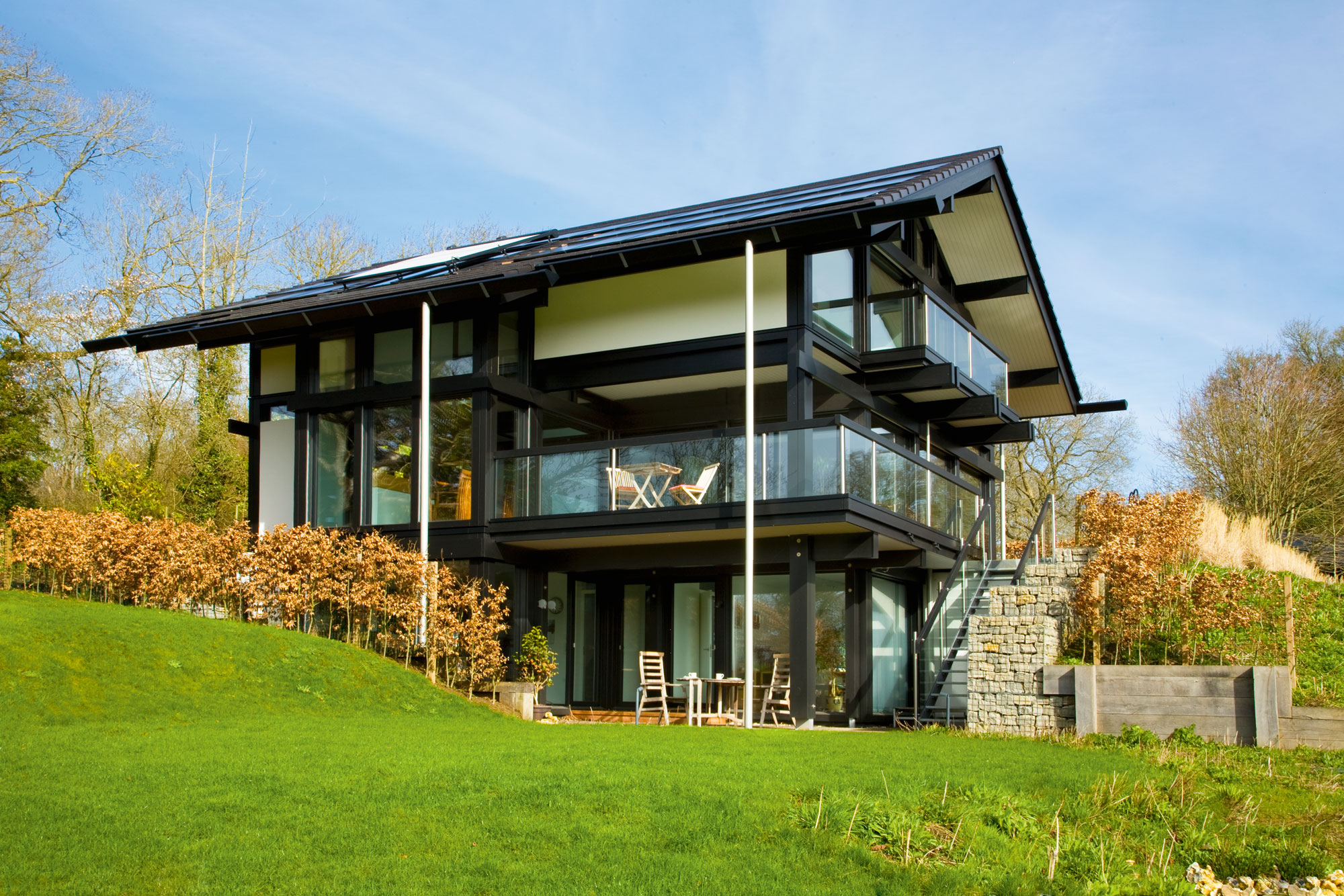
The concept of the “eco-modern” home represents a paradigm shift in residential architecture, moving beyond mere aesthetics to embrace a holistic approach to living that prioritizes environmental responsibility and technological integration. It’s a fusion of contemporary design principles with cutting-edge sustainable technologies, resulting in spaces that are not only visually stunning but also deeply conscious of their ecological footprint. This 3000-word exploration delves into the core tenets of eco-modern design, examining the materials, technologies, and philosophies that shape these remarkable dwellings.
The Foundation: Sustainable Materials and Construction
The journey toward an eco-modern home begins with the very materials used in its construction. Moving away from resource-intensive traditional materials, architects are increasingly turning to sustainable alternatives:
Reclaimed and Recycled Materials
Reclaimed wood, salvaged from old barns, factories, or even shipwrecks, offers a rich history and character while minimizing the need for new lumber.
Renewable and Low-Impact Materials
Bamboo, a rapidly renewable resource, is gaining popularity for flooring, paneling, and even structural elements.
Innovative Building Techniques
Modular construction, using prefabricated components, minimizes waste and reduces construction time.
Harnessing Nature’s Power: Energy Efficiency and Renewable Energy

Eco-modern homes are designed to minimize energy consumption and maximize the use of renewable energy sources:
Passive Solar Design
Strategic orientation to maximize solar gain in winter and minimize it in summer.
High-Performance Insulation and Windows
Advanced insulation materials, such as spray foam or vacuum insulation panels, to minimize heat loss and gain.
Renewable Energy Systems
Solar photovoltaic (PV) panels to generate electricity from sunlight.
Smart Technology for Energy Management
Smart thermostats to optimize heating and cooling based on occupancy and weather conditions.
Water Conservation and Management
Water scarcity is a growing concern, and eco-modern homes are designed to minimize water consumption and maximize water reuse:
Rainwater Harvesting
Collecting rainwater from roofs and storing it in tanks for irrigation, toilet flushing, or other non-potable uses.
Greywater Recycling
Water-Efficient Fixtures and Appliances
Low-flow toilets, showerheads, and faucets.
Landscaping for Water Conservation
Xeriscaping, using drought-tolerant plants and minimizing irrigation.
Creating Healthy Indoor Environments
Eco-modern homes prioritize indoor air quality and create healthy living spaces:
Natural Ventilation
Designing for cross-ventilation to promote natural airflow and reduce the need for mechanical ventilation.
Low-VOC Materials
Natural Lighting
Maximizing natural daylight to reduce the need for artificial lighting and improve mood and well-being.
Biophilic Design
Incorporating natural elements, such as plants, water features, and natural materials, into the design to connect occupants with nature.
Integrating Technology Seamlessly
Technology plays a crucial role in enhancing the functionality and sustainability of eco-modern homes:
Smart Home Systems
Integrating lighting, heating, cooling, security, and entertainment systems into a centralized control system.
Electric Vehicle Charging
Advanced Waste Management
The Philosophy of Eco-Modern Living
Beyond the technical aspects, eco-modern living embodies a philosophy of mindful consumption, connection with nature, and community engagement. It’s about creating spaces that are not only sustainable but also conducive to a fulfilling and meaningful life.
Minimizing Consumption
Embracing a minimalist lifestyle and reducing material possessions.
Connecting with Nature
Spending time outdoors and appreciating the natural environment.
Engaging with the Community
Supporting local businesses and farmers.
The eco-modern home is not just a building; it’s a living, breathing ecosystem that reflects the values of its inhabitants. It’s a testament to the power of human ingenuity to create spaces that are both beautiful and sustainable, contributing to a healthier planet and a more fulfilling life. By embracing the principles of eco-modern design, we can create homes that are not only environmentally responsible but also deeply connected to the natural world, fostering a sense of harmony and well-being. This ongoing evolution of architectural design, driven by a need for a more sustainable future, is creating homes that are both technologically advanced and deeply connected to nature.