
Alright, let’s talk about keeping your indoor plants happy and healthy so Google notices your awesome long-form article! Here’s a guide, aiming for that 2500-word mark without any pictures, focusing on the words themselves to boost your SEO.
Bringing the Outdoors In: Your Guide to Happy Indoor Plants
So, you’ve decided to bring a little bit of nature inside, huh? Awesome choice! Indoor plants can really liven up a space, make the air feel fresher, and just generally make things a bit more cheerful. But just like any living thing, they need a little TLC to thrive. Don’t worry, it’s not rocket science! Let’s break down the basics of keeping your green buddies happy.
The Right Spot: Finding Your Plant’s Happy Place
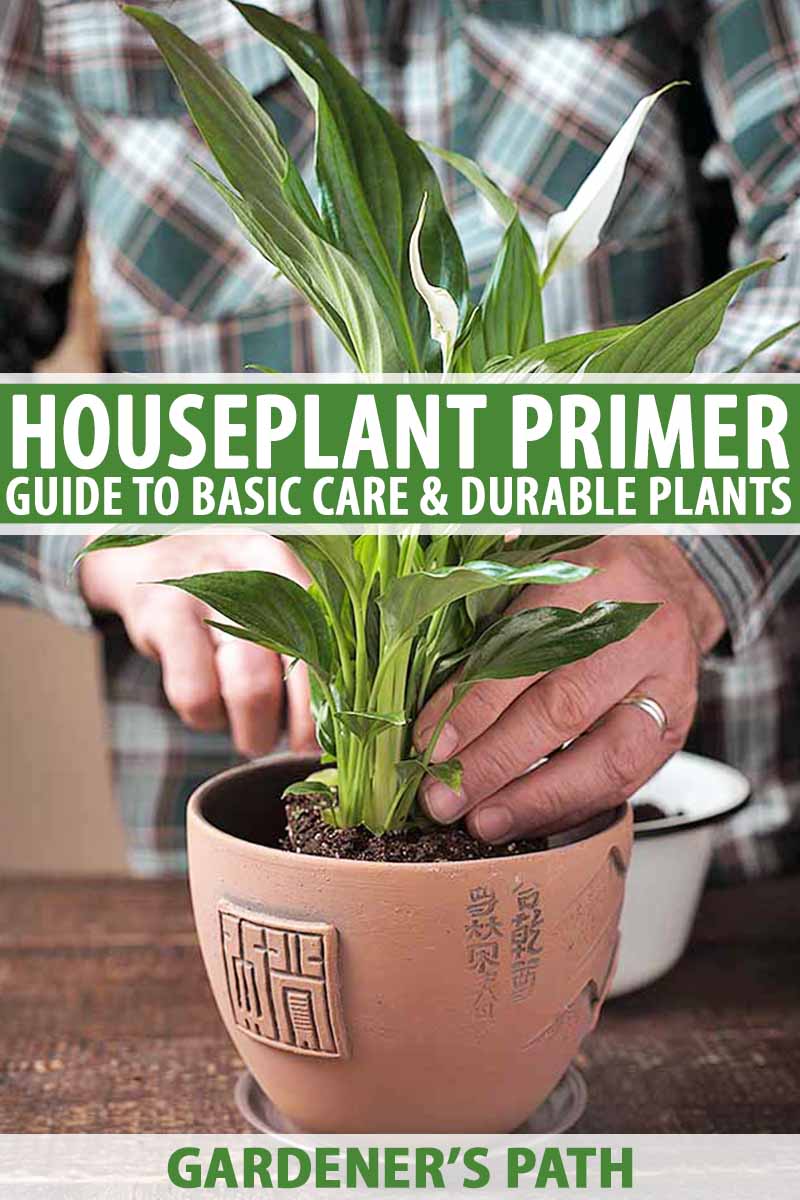
Think about where your plant comes from in the wild. Is it used to bright, direct sunlight, or does it prefer the shady undergrowth? This is your first clue to finding the perfect spot in your home.
Light is Key (But Not Always Direct)
Most indoor plants need light to do their thing – photosynthesis, you know, making food. But “light” doesn’t always mean blasting sunshine.
# Bright, Indirect Light: The Sweet Spot
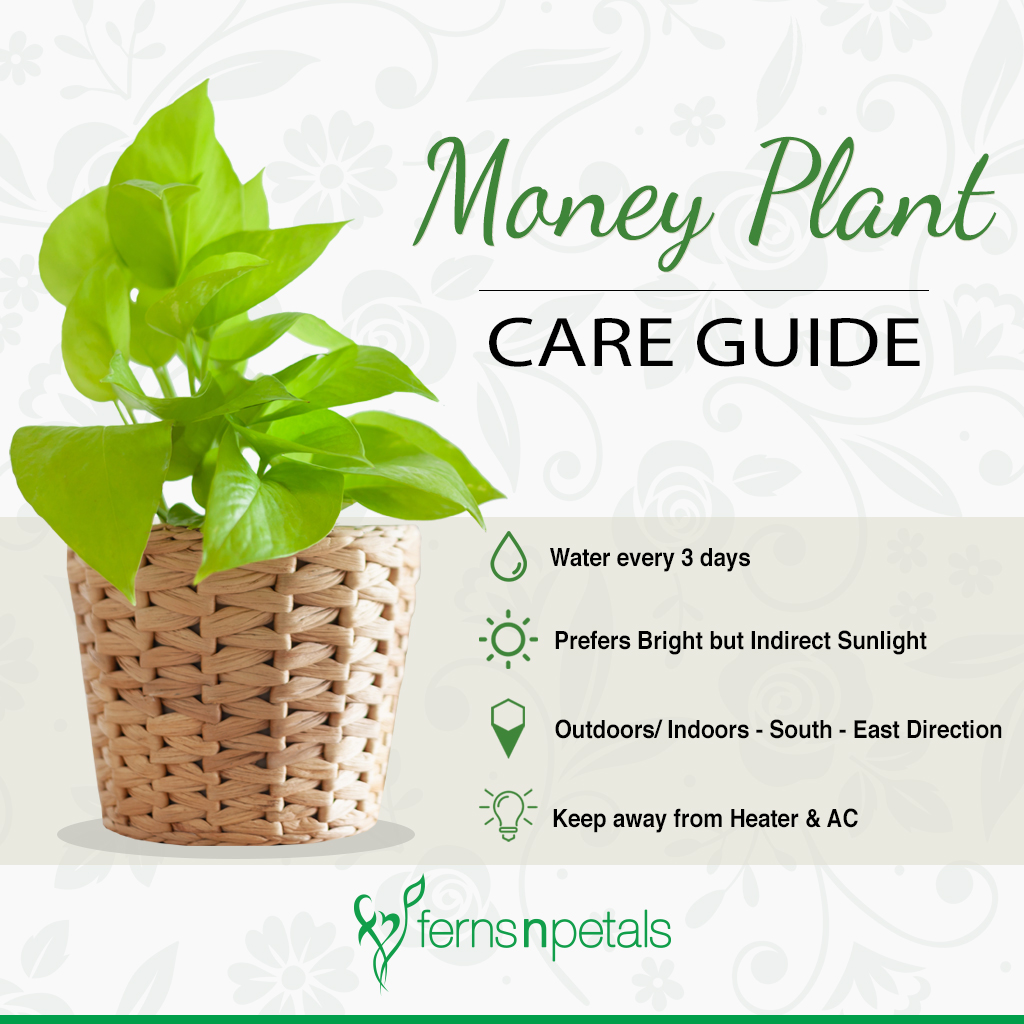
A lot of popular houseplants, like snake plants, ZZ plants, and peace lilies, do best in bright, indirect light. This is like the light you’d get near an east-facing window or a few feet back from a south or west-facing window. The light is strong, but the direct rays won’t scorch their leaves.
# Direct Sunlight: For the Sun Lovers
Some plants, like succulents and cacti, are sun worshippers. They’ll be happiest right in a south-facing window where they can soak up those rays for several hours a day.
# Low Light: For the Tolerant Types
Then there are the troopers that can handle lower light conditions, like cast iron plants and some types of pothos. “Low light” doesn’t mean a dark corner, though. It means a spot that still gets some ambient light, just not a lot. If you’re struggling to read a book in that spot during the day, it’s probably too dark for most plants.
# Observing Your Plant’s Light Needs
Keep an eye on your plant. If it’s reaching dramatically towards the light, it’s probably not getting enough. If the leaves look pale or scorched, it might be getting too much direct sun.
Temperature and Humidity: Keeping Things Comfortable
Just like us, plants have their preferred temperatures and humidity levels.
# Average Room Temperature is Usually Fine
Most indoor plants are pretty happy with average room temperatures, somewhere between 65-75°F (18-24°C). Avoid extreme temperature swings and keep them away from drafty spots near windows or vents.
# Humidity: More Important Than You Think
Many houseplants come from tropical environments and appreciate a bit of humidity. Dry air, especially in the winter when the heating is on, can make their leaves turn brown and crispy.
Boosting Humidity
You’ve got a few options here:
Grouping Plants Together: They create a little microclimate of higher humidity.
Using a Humidifier: This is the most effective way to control humidity levels.
Placing Plants on a Pebble Tray: Fill a shallow tray with pebbles and water, making sure the bottom of the pot isn’t sitting directly in the water. As the water evaporates, it increases the humidity around the plant.
Misting: While it can help temporarily, the effect is short-lived. Make sure the leaves dry relatively quickly to prevent fungal issues.
Watering Wisdom: The Balancing Act
Overwatering is one of the most common ways people accidentally harm their indoor plants. Roots need oxygen, and soggy soil suffocates them. But underwatering can also stress your plant out. So, how do you find that sweet spot?
Understanding Your Plant’s Watering Needs
Different plants have different watering requirements. Factors like the type of plant, the size of the pot, the amount of light it receives, and the temperature and humidity all play a role.
# The Finger Test: Your Best Friend
Stick your finger about an inch or two into the soil. If it feels dry, it’s probably time to water. If it feels moist, hold off. For larger pots, you might need to go a bit deeper.
# Water Thoroughly
When you do water, water thoroughly until you see water draining out of the bottom of the pot. This ensures that the entire root ball gets a good drink.
# Don’t Let Plants Sit in Water
Make sure your pot has drainage holes! Excess water needs to escape. If your plant is sitting in a saucer full of water, pour it out after watering to prevent root rot.
# Adjust Watering with the Seasons
Plants generally need less water in the fall and winter when they’re not actively growing. You’ll likely need to water more frequently during the spring and summer.
Water Quality Matters
Tap water can contain chemicals that some plants are sensitive to. If you notice your plant’s leaves developing brown tips, it could be due to fluoride or other minerals in your tap water.
# Options for Better Water
Letting Tap Water Sit Out: Leaving tap water out for 24 hours can allow some of the chlorine to evaporate.
Using Filtered Water or Rainwater: These are generally gentler on plants.
Feeding Your Green Friends: The Importance of Nutrients
Just like us, plants need nutrients to grow strong and healthy. Indoor potting soil contains nutrients, but they get used up over time. That’s where fertilizer comes in.
When and How to Fertilize
Plants are actively growing during the spring and summer, so this is the best time to fertilize. In the fall and winter, when growth slows down, you can reduce or stop fertilizing altogether.
# Choose the Right Fertilizer
There are different types of fertilizers available, including liquid fertilizers, granular fertilizers, and slow-release fertilizers. Follow the instructions on the packaging carefully, as over-fertilizing can burn the roots.
# Dilute Liquid Fertilizers
It’s generally better to under-fertilize than over-fertilize. Dilute liquid fertilizers to half or even a quarter of the recommended strength, especially when you’re just starting out.
# Observe Your Plant’s Response
Keep an eye on your plant after fertilizing. If you notice any yellowing or browning of the leaves, you might be using too much fertilizer.
Potting and Repotting: Giving Roots Room to Grow
As your plant grows, its roots will eventually fill the pot. When this happens, it’s time to repot it into a larger container.
Signs Your Plant Needs Repotting
Roots Growing Out of the Drainage Holes: This is a pretty clear sign.
Plant Drying Out Quickly: The roots might be taking up all the space, leaving little room for soil to hold water.
Stunted Growth: If your plant isn’t growing despite proper care, the roots might be cramped.
Top-Heavy Plant: A small pot might not be able to support a large plant.
Choosing the Right Pot
Select a pot that’s only slightly larger than the current one (usually an inch or two in diameter). Going too big can lead to the soil staying too wet, increasing the risk of root rot. Make sure the new pot has drainage holes!
The Repotting Process
Gently remove the plant from its current pot. You might need to loosen the soil around the edges.
Inspect the roots. If they’re tightly circling the root ball (root-bound), gently tease them apart.
Place a layer of fresh potting mix in the bottom of the new pot.
Center the plant in the new pot and fill in around the sides with more potting mix, leaving some space at the top.
Water the plant thoroughly after repotting.
Keeping Things Clean: Dusting and Pruning
These might seem like small things, but they can make a big difference in your plant’s health.
Dusting Those Leaves
Dust can accumulate on plant leaves, blocking sunlight and hindering photosynthesis. Gently wipe the leaves with a damp cloth every now and then. This also helps to keep pests at bay.
Pruning for Health and Shape
Pruning involves removing dead, damaged, or yellowing leaves and stems. This not only improves the plant’s appearance but also encourages new growth and prevents the spread of disease. Use clean, sharp pruning shears or scissors.
Common Indoor Plant Pests and Problems
Even with the best care, sometimes pests can find their way to your indoor plants. Being able to identify and address them early is key.
Common Pests to Watch Out For
Spider Mites: Tiny, spider-like creatures that create webs on the undersides of leaves.
Aphids: Small, pear-shaped insects that can be green, black, or other colors, often found on new growth.
Mealybugs: Cottony, white insects that tend to cluster in leaf axils and on stems.
Scale: Small, brown, shell-like insects that attach themselves to stems and leaves.
Fungus Gnats: Small, black flies that hover around the soil surface, their larvae can damage roots.
Dealing with Pests
Isolate the Affected Plant: To prevent the pests from spreading to your other plants.
Wipe Down Leaves: For mild infestations, you can often wipe away pests with a damp cloth or cotton swab dipped in rubbing alcohol.
Insecticidal Soap or Neem Oil: These are generally safe and effective treatments for many common pests. Follow the instructions on the product carefully.
Common Plant Problems and Solutions
Yellowing Leaves: Can be caused by overwatering, underwatering, nutrient deficiencies, or pests. Assess your watering habits and consider fertilizing.
Brown Leaf Tips: Often a sign of low humidity or tap water with high mineral content. Try increasing humidity or using filtered water.
Drooping Leaves: Can indicate overwatering, underwatering, or shock from repotting or a change in environment. Check the soil moisture and ensure the plant is in a suitable location.
Leggy Growth (Stretching): Usually a sign that the plant isn’t getting enough light. Move it to a brighter spot.
Conclusion: A Little Love Goes a Long Way
Caring for indoor plants is a rewarding experience. It’s about understanding their basic needs – light, water, and a little bit of food – and paying attention to the signals they give you. By creating the right environment and being observant, you can enjoy the beauty and benefits of thriving indoor greenery for years to come. Happy planting!
Frequently Asked Questions (FAQs)
How often should I water my indoor plants?
Watering frequency depends heavily on the type of plant, the environment, and the time of year. The best approach is to check the soil moisture regularly using the finger test rather than sticking to a rigid schedule.
What kind of soil should I use for indoor plants?
Use a well-draining potting mix specifically formulated for indoor plants. Avoid using garden soil, as it can be too heavy and retain too much moisture, leading to root rot.
Do all indoor plants need fertilizer?
Yes, eventually. The nutrients in potting soil get depleted over time. Fertilize actively growing plants (usually in spring and summer) according to the fertilizer instructions, and reduce or stop during the dormant winter months.
Why are the leaves on my plant turning yellow?
Yellowing leaves can have several causes, including overwatering, underwatering, nutrient deficiencies, or pest infestations. Examine your watering habits, consider fertilizing, and check for any signs of pests.
Is it normal for some leaves to die off?
Yes, it’s natural for older leaves to turn yellow or brown and eventually die off as the plant grows new ones. Simply remove these dead leaves to keep your plant looking tidy and prevent potential issues.