:max_bytes(150000):strip_icc()/plants-help-you-sleep-better-snake-plant-getty-0323-2000-b7c737ee46dc42658f715e84fc88ce1c.jpg)
It sounds like you’re aiming to create some seriously in-depth content for your WordPress site! Let’s dive into the world of minimalist houseplants and how they can function beyond just looking pretty.
The Quiet Power of Minimalist Houseplants
We often think of houseplants as just a bit of greenery to liven up our spaces, right? A little splash of nature indoors. But when you go for the minimalist approach with houseplants, choosing just a few key plants with clean lines and simple forms, they actually start to work a bit harder for you and your space. It’s not just about aesthetics; it’s about how these plants contribute to a calm, focused, and even healthier environment.
Breathing Easier: Air Purification
:max_bytes(150000):strip_icc()/plants-help-you-sleep-better-snake-plant-getty-0323-2000-b7c737ee46dc42658f715e84fc88ce1c.jpg "image.title")
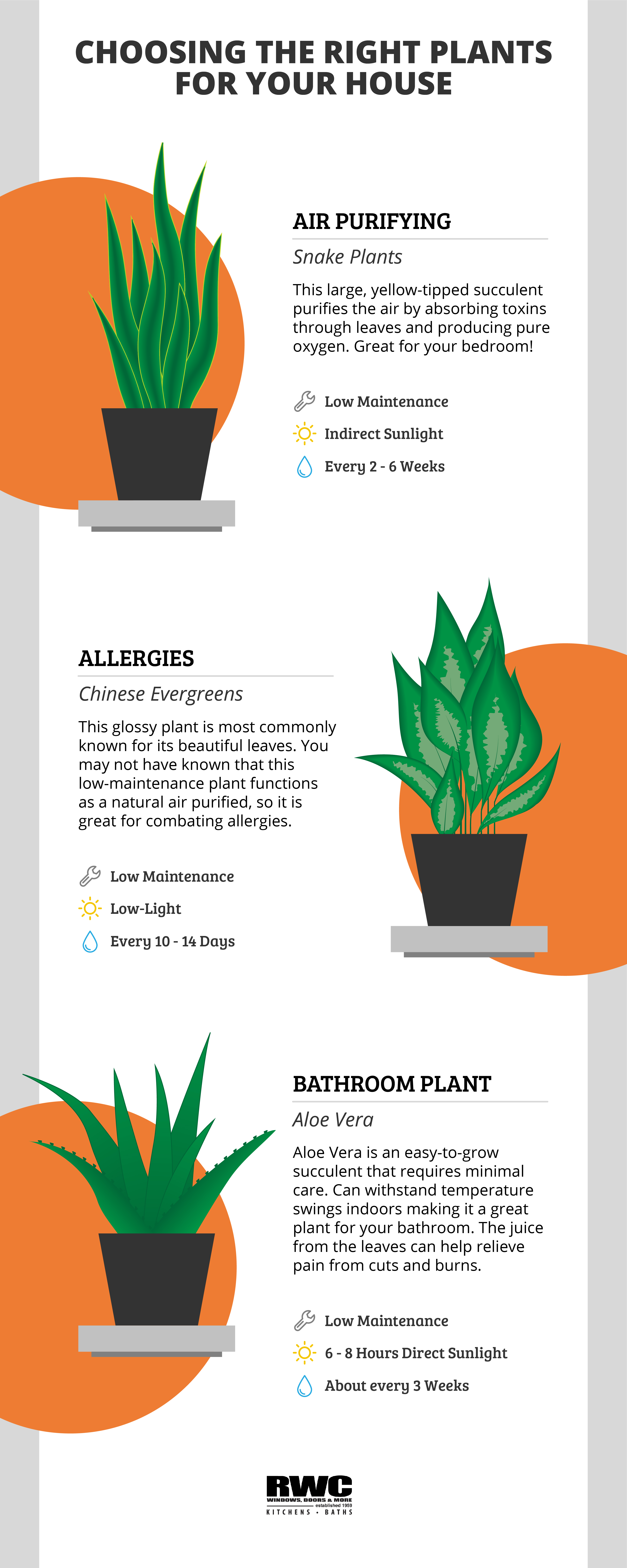
One of the biggies with houseplants, and minimalist ones are no exception, is their ability to clean the air. Now, let’s be real, you’re not going to turn your living room into a pristine mountain breeze just with a snake plant or two. But these plants do a fantastic job of filtering out common household toxins. Think about things like formaldehyde from furniture or benzene from cleaning products. Plants absorb these nasties through their leaves and roots, breaking them down. A few well-chosen, low-maintenance plants can make a subtle but real difference in the air quality of your home, contributing to a healthier atmosphere.
Boosting Your Mood and Focus
Ever notice how being around nature just makes you feel a bit better? Minimalist houseplants bring that natural element indoors in a non-cluttered way. Their simple presence can be surprisingly calming. The gentle green can be restful for your eyes, especially when you’re staring at screens all day. Studies have even shown that having plants around can reduce stress levels and boost concentration. In a minimalist setting, where there isn’t a lot of visual noise, these plants can become focal points that offer a sense of peace and tranquility, helping you feel more grounded and focused on your tasks.
Adding Subtle Life and Texture
Minimalism isn’t about having nothing; it’s about having only what’s essential and beautiful. Minimalist houseplants fit right into this philosophy. They add a touch of organic life and texture to a space without overwhelming it. A single, sculptural ZZ plant in a simple pot can bring a sophisticated elegance. The varying shapes and shades of green offer visual interest without being distracting. They soften the hard lines often found in modern interiors, creating a more inviting and balanced feel.
Connecting You to Nature Indoors
Even if you live in the middle of a bustling city, minimalist houseplants can provide a vital connection to the natural world. Caring for a plant, even a low-maintenance one, can be surprisingly therapeutic. The simple act of watering it or wiping its leaves can be a mindful moment, a little pause in your busy day. Observing its growth, even the slow unfurling of a new leaf, can bring a sense of wonder and connection to the cycles of nature. In a minimalist space, this connection feels even more significant as there aren’t many other natural elements competing for attention.
Low Maintenance, High Impact
One of the beauties of many minimalist-friendly houseplants is that they tend to be quite low-maintenance. Think snake plants, ZZ plants, pothos, and peace lilies. These plants are often drought-tolerant and can handle a bit of neglect, making them perfect for busy individuals or those new to plant care. They offer all the benefits we’ve talked about without demanding a lot of your time or attention. This aligns perfectly with the minimalist ethos of simplicity and functionality.
In Conclusion
Minimalist houseplants are more than just decorative items. They quietly work to improve our indoor air quality, boost our mood and focus, add subtle life and texture to our spaces, connect us to nature, and often do all of this with minimal fuss. By carefully selecting a few key plants with clean lines and simple needs, you can enhance your living environment in a way that is both aesthetically pleasing and genuinely beneficial for your well-being.
Frequently Asked Questions
What are some good examples of minimalist houseplants?
Snake Plant (Sansevieria trifasciata)
ZZ Plant (Zamioculcas zamiifolia)
Pothos (Epipremnum aureum)
Peace Lily (Spathiphyllum wallisii)
Spider Plant (Chlorophytum comosum)
How many minimalist houseplants should I have in a room?
There’s no magic number, but the “minimalist” aspect suggests quality over quantity. Start with one or two statement plants that complement the space without cluttering it. You can always add more if needed, but the goal is a curated and uncluttered feel.
Do minimalist houseplants require special care?
Not necessarily. Many popular minimalist houseplants are known for being low-maintenance and adaptable. However, it’s always a good idea to research the specific needs of each plant in terms of light, watering, and soil.
Can minimalist houseplants really improve air quality significantly?
While they contribute to air purification by removing some toxins, a few houseplants won’t completely overhaul the air quality in a large space. Think of them as helpful additions to good ventilation practices rather than a complete air filtration system.
Where are the best places to position minimalist houseplants for both aesthetics and function?
Consider areas where you spend a lot of time, such as your living room or home office, to maximize their mood-boosting and air-purifying benefits. Position them in spots where their form and the simplicity of their pots can be appreciated without creating visual clutter. Think about natural light levels as well to ensure the plants thrive.